Calvin Hampton
English 1010
9/09/2025
When I think back on the moments that shaped how I learned to read and write, one important memory is when I started learning about different cultures and historical events. At first, I didn’t think it was anything special. I saw them as just reading assignments for class or books to flip through just to pass the time. But over time, I realized that those readings affected the way I look at stories. Now, whenever I watch a movie that is non-fiction or realistic fiction or play video games that take place in a certain time period, I can’t help but think about the historical context behind it. That habit started a few years ago when I learned about different places and people in my Global classes in the 9th grade.
One of the first times this happened was when I read about old civilizations like feudal Japan, Greece, and feudal China. I remember being fascinated by how different life was back then, but also how similar some of their problems were to ours today. “History doesn’t repeat itself, but it does rhyme” (Twain). Some of the problems today weren’t as dire as back then, but they still share similarities. Learning about their traditions, beliefs, and the way they lived made me think about how history connects to the modern world. I wasn’t just reading any old boring book, I was starting to picture what life was like for people who lived in those eras. This emphasizes the value of historical knowledge in making informed decisions.
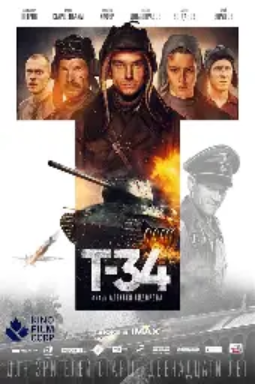
Soon, I started noticing how this curiosity showed up in other parts of my life. For example, when I watched a movie taking place during World War II, I didn’t just see the characters and the story. I found myself thinking about the battles, the vehicles, and whether the way people acted was true to what I had read in books and articles. Sometimes I even paused the movie to look things up. For me wasn’t about watching a movie for entertainment anymore, it was about trying to understand the history behind it.
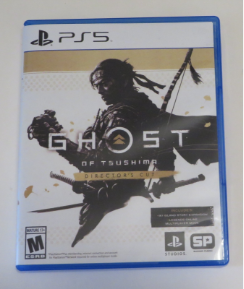
The same thing started happening with video games. Some of the games I played had settings that were based on real history, like Feudal Japan or World War II. While most people just played for fun, I couldn’t help but notice the details. I thought about how the Structures and Battles looked compared to what I had read, or how the game showed daily life compared to what historians actually said. Even if the game wasn’t 100% accurate, it made me think about the past in a fascinating way. I’d also get into debates with my friends about the historical accuracy of games. Playing those games felt like stepping into a time period I had only read about, and my reading helped me tell the difference between what was real and what was made up.
This habit has also affected how I write. Reading about history showed me that stories always have meaning behind them. When I write, I don’t just put down random details, I try to connect ideas or give my writing some kind of bigger picture. Even in small assignments, I find myself using what I know about culture or history to make my writing stronger. Reading taught me that writing isn’t only about filling space on a page, it’s about helping people see things in a new way, the same way authors helped me see history in a new way.
Looking back, I realize that reading about different cultures and historical events gave me more than just knowledge. It gave me a way to think differently about the world. It showed me that books, movies, and even games aren’t just for fun, they can also be chances to learn. Now I notice connections everywhere, and that makes me curious to keep exploring and learning more.
This moment from my past might not have felt like a big deal when it first happened, but nowadays I see how meaningful it was. It changed how I experience stories and how I approach learning. Reading about history opened my mind to the idea that everything has a background and a story worth paying attention to. That lesson has stayed with me, and I know it will keep shaping how I read, write, and even how I see the world in the future.

This entry is licensed under a Creative Commons Attribution-NonCommercial-ShareAlike 4.0 International license.

